



- Description
- Documents & Downloads
- Installation Video
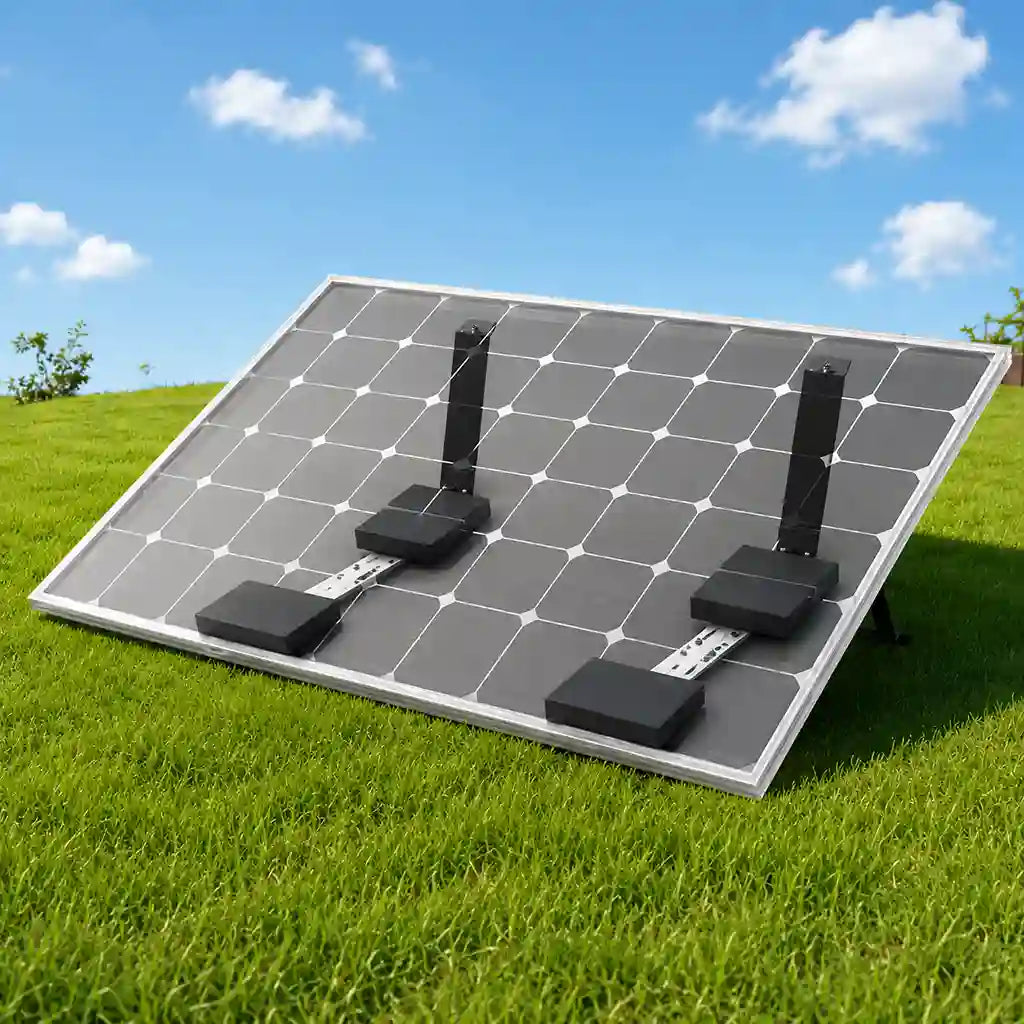
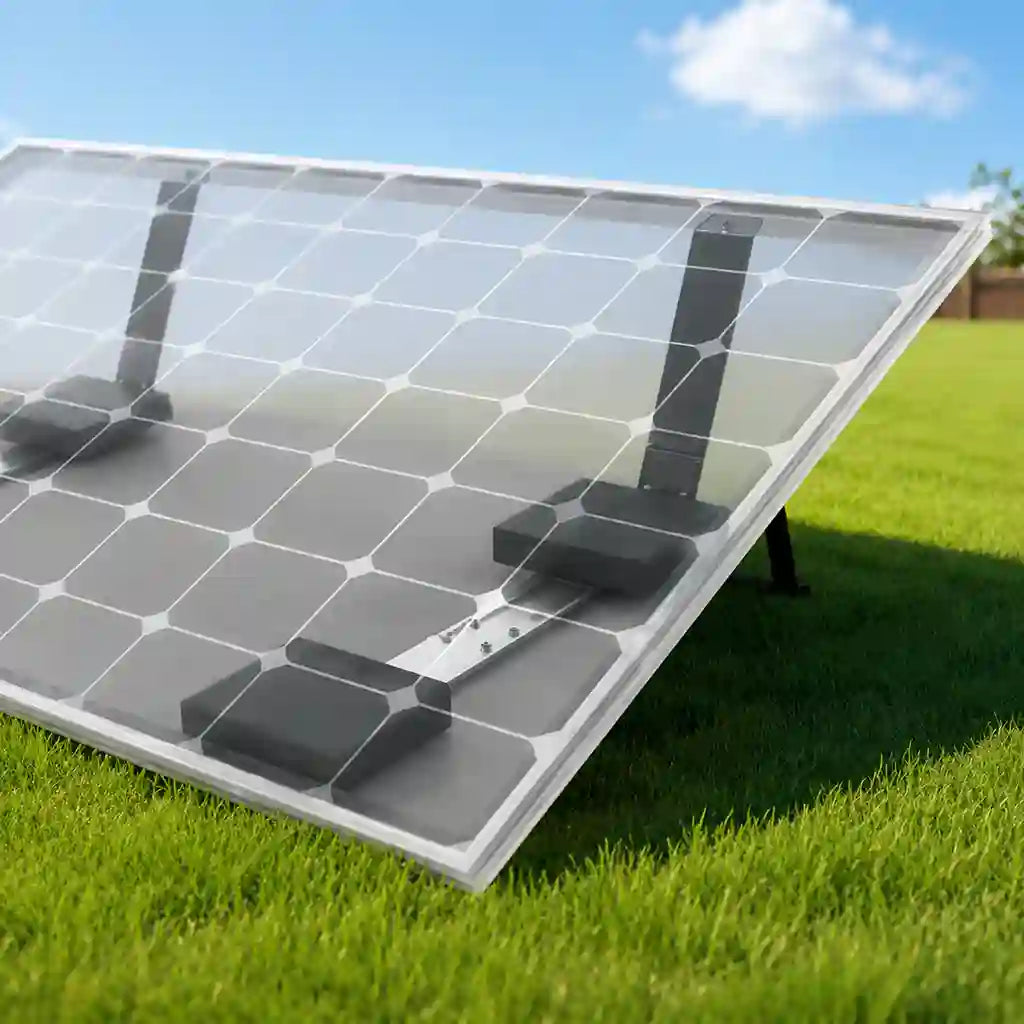
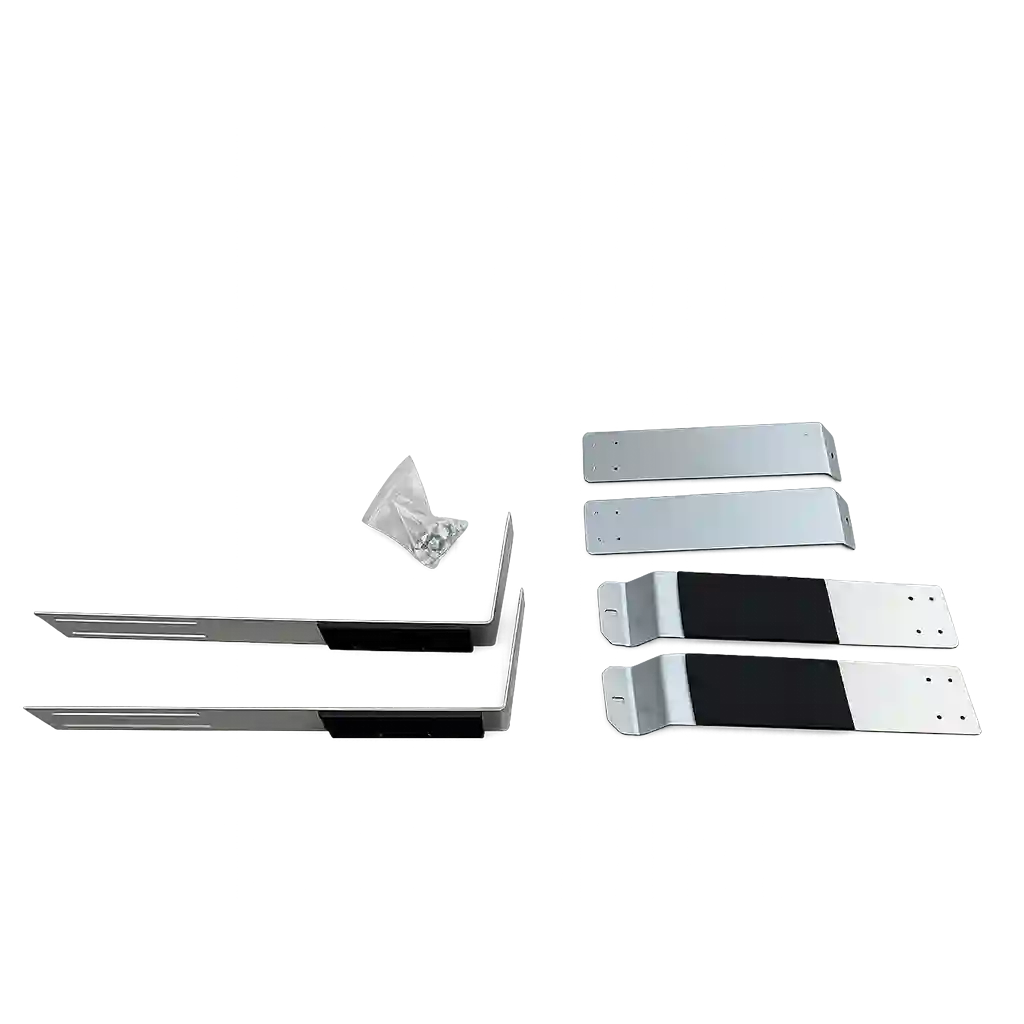
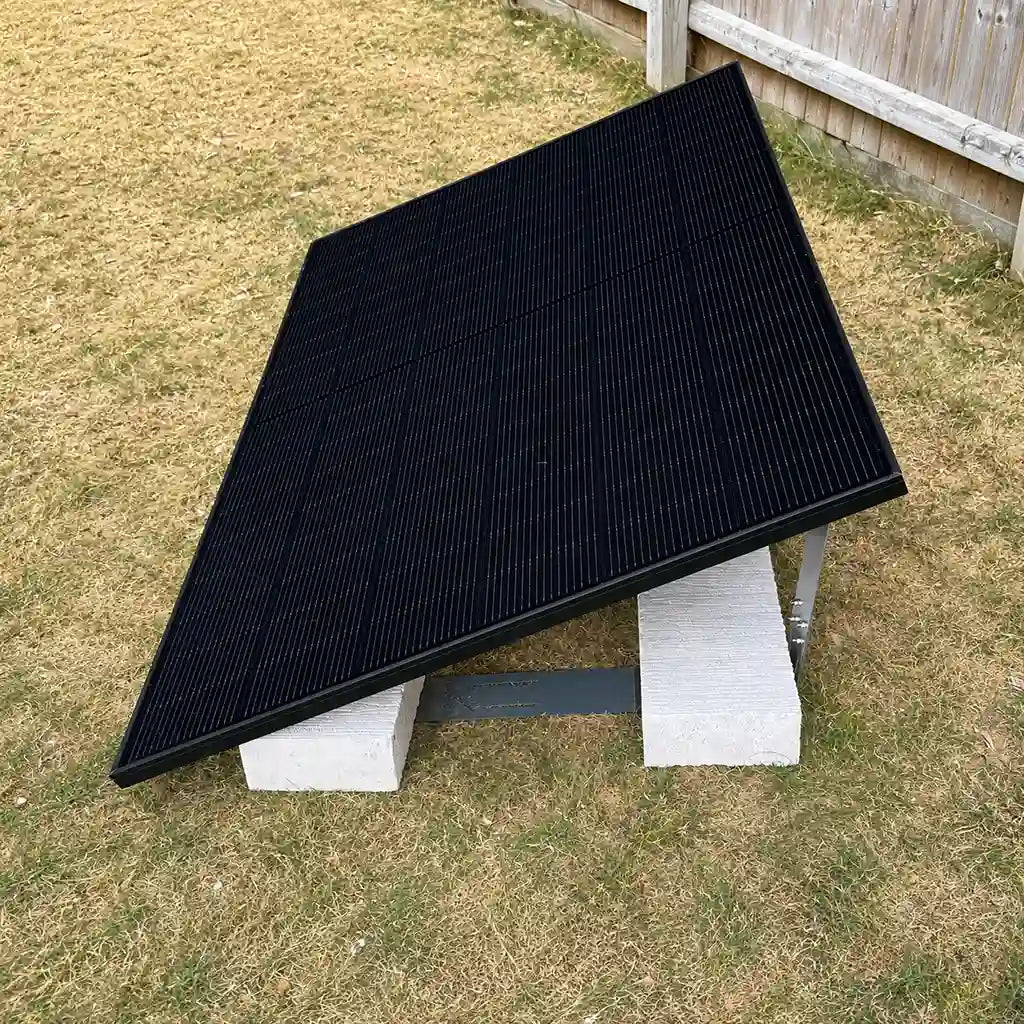
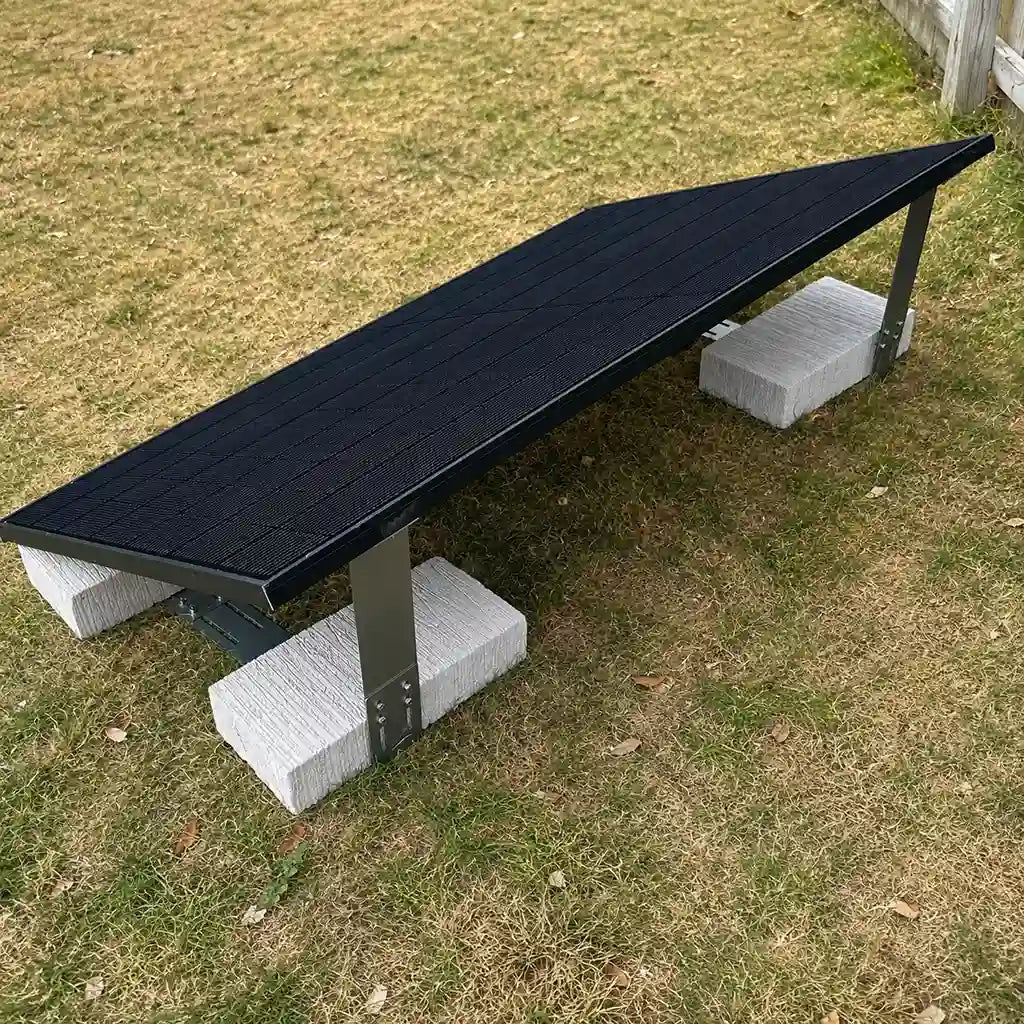
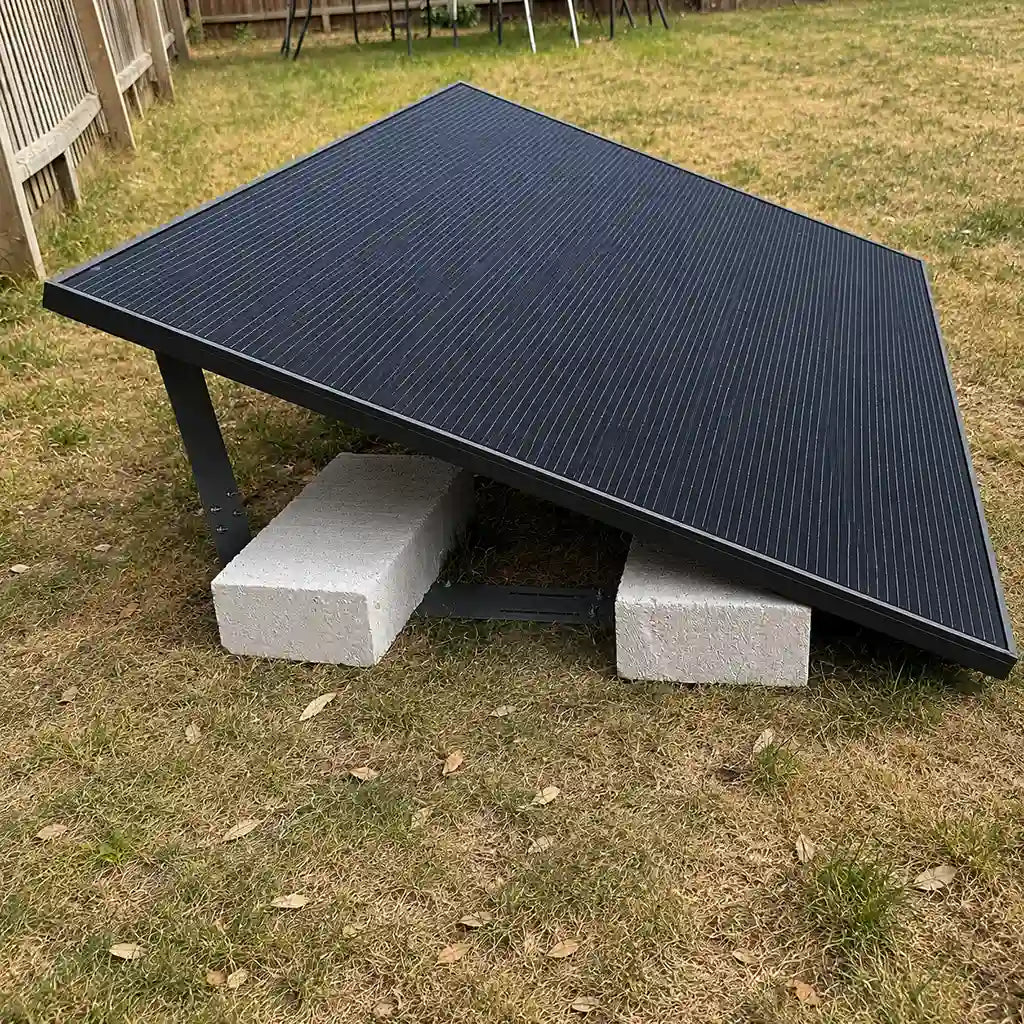
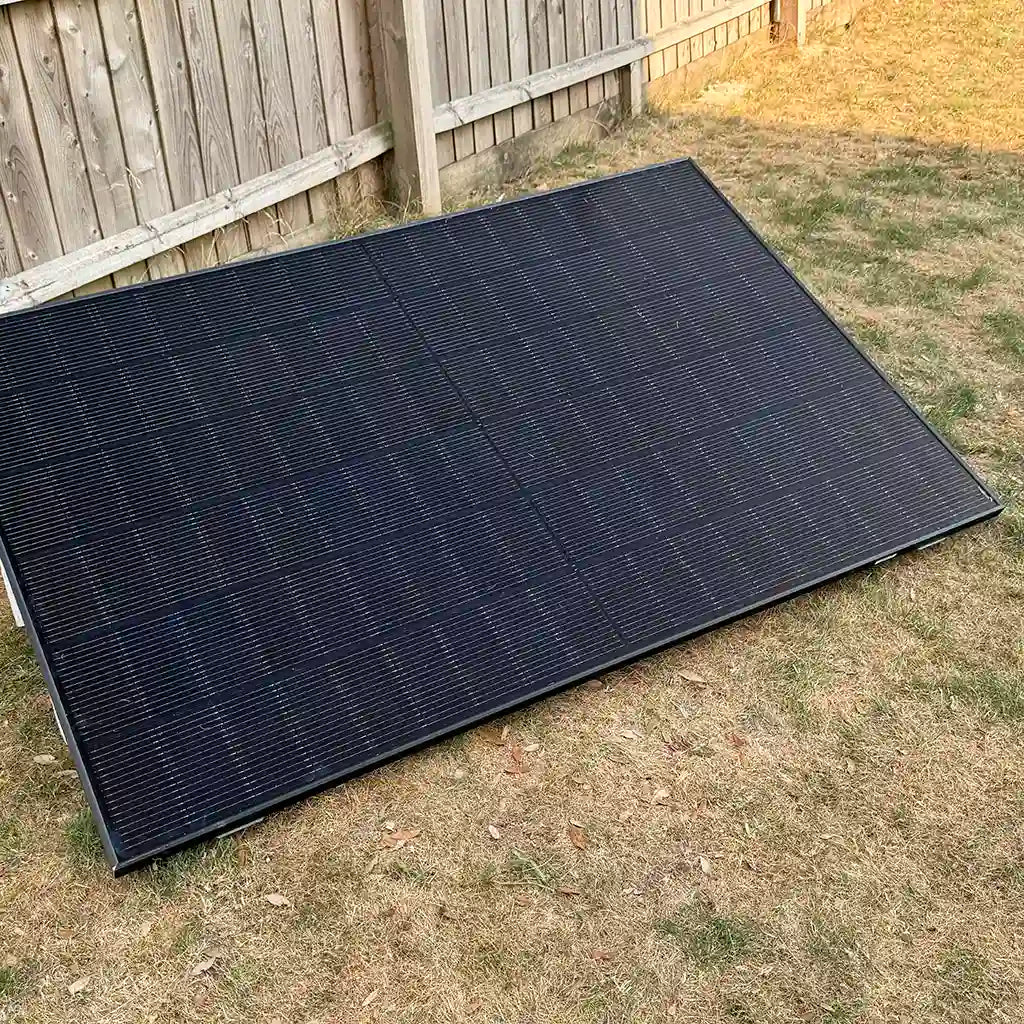
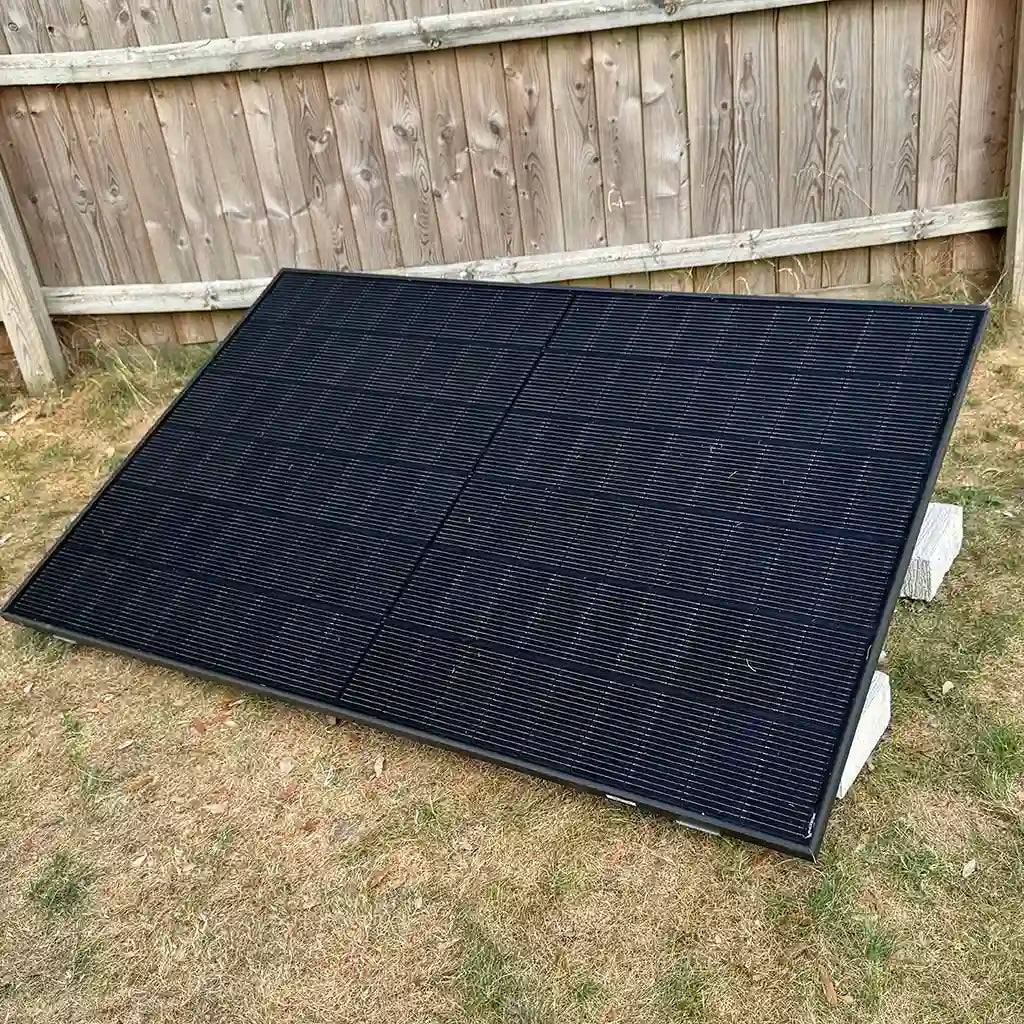
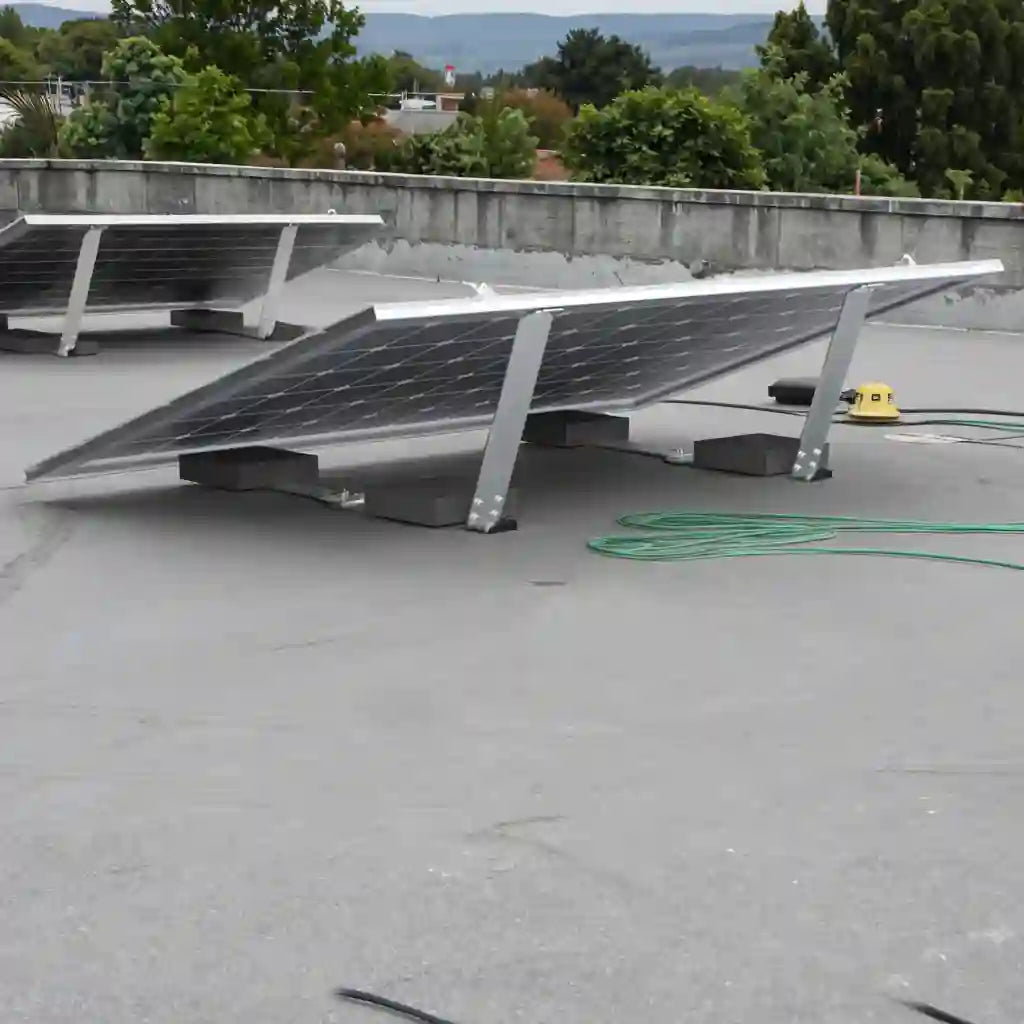
The Worldwide Solar Model 2 – 20° ZAM Steel Ballast Solar Mounting System is a compact and durable mounting solution designed for single-panel ground-mounted and flat roof solar installations. Manufactured from high-strength ZAM steel, Model 2 combines excellent structural stability with straightforward installation, providing a reliable mounting solution for residential, commercial and off-grid photovoltaic systems.
The steel is protected by a ZAM zinc-aluminium-magnesium coating, which provides enhanced resistance to corrosion and helps protect exposed surfaces and cut edges in outdoor environments. The manufacturer has confirmed a C3 corrosion-resistance classification.
The optimised 20° fixed tilt angle supports efficient solar energy generation while maintaining a stable and compact mounting arrangement. Its ballasted design eliminates the need for permanent concrete foundations or surface penetration, making installation faster, more flexible and easier to relocate when required.
Worldwide Solar Model 2 supports one framed solar panel weighing up to 38 kg and is compatible with panel frame thicknesses from 30 to 40 mm. It can accommodate different panel lengths and widths, provided that the maximum panel-weight and compatible frame-thickness requirements are observed.
The system has been designed in accordance with EN 1991-1-4:2005 (Eurocode – Wind Actions) for a maximum design wind speed of 30 m/s. The stated maximum snow load and ballast requirements are based on a standard solar module measuring 1762 × 1134 × 30 mm. For this module size, the system supports a maximum snow load of 1 kN/m² and requires four ballast stones weighing 29.4 kg each, providing a total ballast weight of approximately 117.6 kg.
Key Features
- Worldwide Solar Model 2 single-panel ballast mounting system
- Supports one framed solar panel
- Designed for ground-mounted and flat roof installations
- Optimised 20° fixed tilt angle
- Manufactured from high-strength ZAM steel
- Zinc-aluminium-magnesium protective coating
- Manufacturer-confirmed C3 corrosion-resistance classification
- No permanent concrete foundations or surface penetration required
- Fast and straightforward installation
- Compatible with panel frame thicknesses of 30–40 mm
- Supports solar panels weighing up to 38 kg
- Compatible with different panel lengths and widths
- Snow-load and ballast values based on a standard 1762 × 1134 × 30 mm solar module
- Requires four 29.4 kg ballast stones for the specified standard module
- Designed in accordance with EN 1991-1-4:2005
- Maximum design wind speed of 30 m/s
- Maximum snow load of 1 kN/m² for the specified standard module
- Suitable for residential, commercial and off-grid solar projects
Specifications
| GENERAL DATA | |
| Brand | Worldwide Solar |
| Model | Model 2 |
| Product Type | 20° ZAM Steel Ballast Solar Mounting System |
| Mounting Component Type | Ballast Bracket |
| Installation Type | Ground-Mounted and Flat Roof Installations |
| Mounting Material | ZAM Steel |
| Mounting Finish | ZAM (Zinc-Aluminium-Magnesium) Coating |
| Corrosion Resistance | C3, as confirmed by the manufacturer |
| Tilt Angle | 20° fixed |
| Panels Supported | 1 framed solar panel |
| PANEL COMPATIBILITY | |
| Compatible Panel Length | Any length, subject to the stated weight and frame-thickness limits |
| Compatible Panel Width | Any width, subject to the stated weight and frame-thickness limits |
| Compatible Panel Thickness | 30–40 mm |
| Maximum Panel Weight | 38 kg |
| ENGINEERING & PERFORMANCE | |
| Wind Load Standard | EN 1991-1-4:2005 |
| Maximum Design Wind Speed | 30 m/s |
| Reference Module Size | 1762 × 1134 × 30 mm |
| Maximum Snow Load | 1 kN/m², based on the stated reference module size |
| Ballast Requirement | Four ballast stones, each weighing 29.4 kg, based on the stated reference module size |
| Total Ballast Weight | Approximately 117.6 kg, based on the stated reference module size |
| PRODUCT & PACKAGING DATA | |
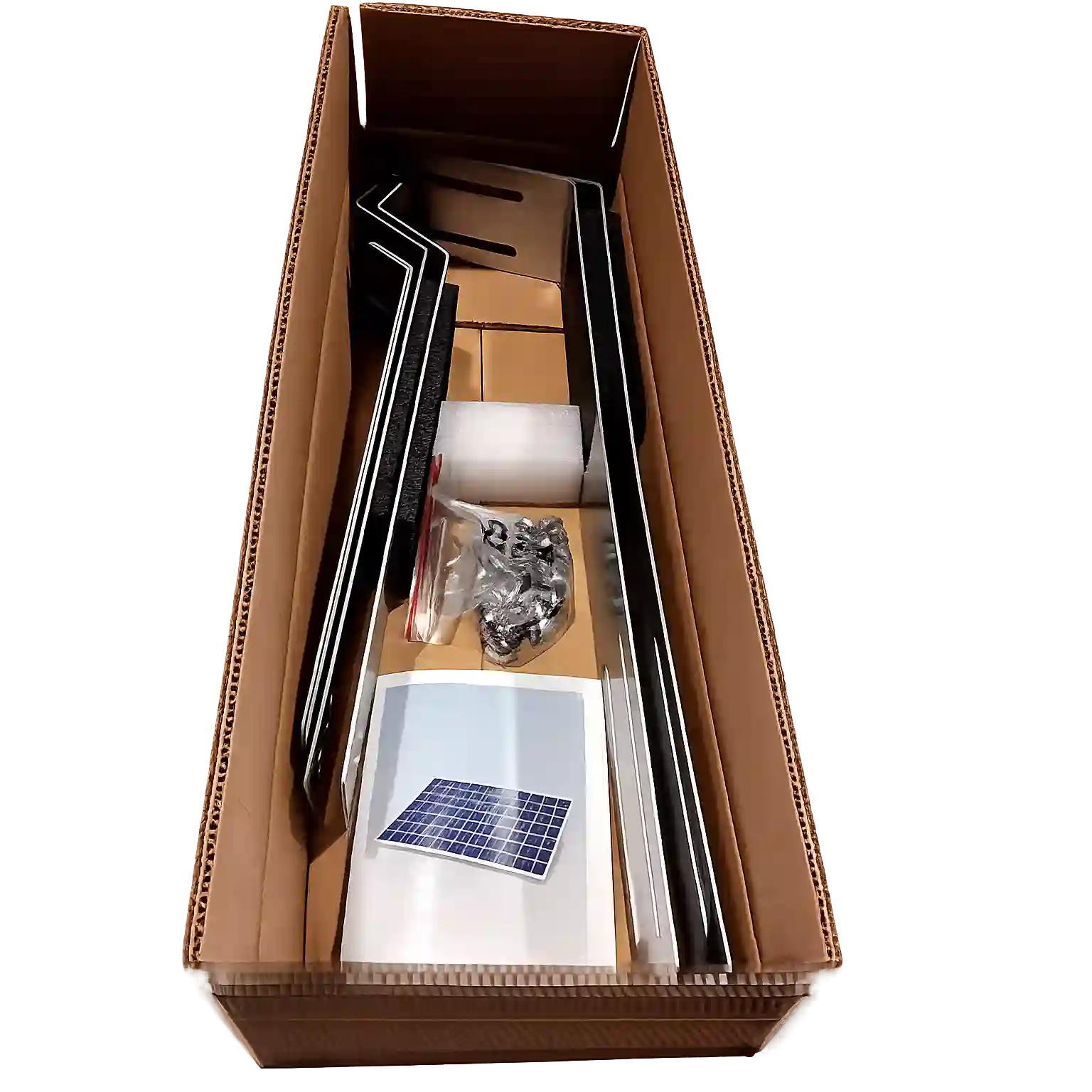
| Package Dimensions | 650 × 190 × 110 mm |
| Package Weight | 6.2 kg |
Applications
| SUITABLE INSTALLATIONS | |
| Residential Garden Installations | ✔ |
| Flat Roof Installations | ✔ |
| Commercial Ground Installations | ✔ |
| Off-Grid Solar Systems | ✔ |
| Temporary or Relocatable Installations | ✔ |
| Pitched Roof Installations | ✘ |
Ballast RequirementsFor a standard solar module measuring 1762 × 1134 × 30 mm, each Worldwide Solar Model 2 mounting system requires four ballast stones weighing approximately 29.4 kg each. This provides a combined ballast weight of approximately 117.6 kg. The required ballast may vary when a solar module with different dimensions or weight is used, or when local wind, snow-load, site-exposure or installation conditions differ. Only solid, normal-weight concrete ballast stones should be used. Lightweight, hollow or aerated concrete blocks are not suitable for use as ballast. The ballast stones must be positioned securely within the designated ballast areas of the mounting system before the solar panel is installed. |
Important Installation InformationThe stated snow-load and ballast values are based on a standard solar module measuring 1762 × 1134 × 30 mm. Different solar panel dimensions or weights may alter the required ballast and the overall performance of the mounting system. The suitability of any ballasted solar mounting system depends on the installation location, local wind and snow conditions, building height, site exposure, roof construction, supporting surface and solar panel dimensions. Before installation, the customer or installer must confirm that the supporting surface can safely carry the combined weight of the mounting system, solar panel and ballast stones. For flat roof installations, a professional structural assessment may be required. |
Product specifications and performance values are based on information supplied by the manufacturer. The stated snow-load and ballast values are based on a standard solar module measuring 1762 × 1134 × 30 mm. Actual installation requirements may vary depending on the solar panel used, local wind and snow conditions, site exposure, supporting surface and applicable building regulations.