Summary
A Plug & Play solar system normally works alongside the grid rather than independently from it. Solar electricity is used in the home first. Any momentary surplus can then pass into the public electricity network, provided the system and connection arrangement meet the applicable requirements.
Small-scale generation in Great Britain is generally covered by the relevant Distribution Network Operator connection process. Fully type-tested microgeneration up to 16A per phase falls within the scope of Engineering Recommendation G98, but the correct procedure and notification still matter.
Receiving money for exported electricity is a separate step. The Smart Export Guarantee requires eligible suppliers to offer export tariffs, but customers normally need an appropriate export meter, an accepted installation and evidence that the equipment or installation meets the supplier's eligibility rules. A small system may export relatively little because much of its generation is often consumed immediately in the home.
🌱 Full Length Article (Click to collapse)
Can a Plug & Play Solar System Export Electricity to the Grid?
1. The Short Answer Is Yes
A grid-connected Plug & Play solar system can send surplus electricity into the electricity network. This happens automatically whenever solar generation is greater than the amount of electricity being consumed in the home at the same moment.
The system does not normally decide that a particular appliance receives “solar electricity”. Instead, the microinverter synchronises its AC output with the household supply. Appliances use electricity locally, and the balance between generation and demand determines the direction in which power flows through the meter.
If the home is consuming more than the solar system produces, electricity is still imported from the grid. If the solar system produces more than the home consumes, the excess can be exported.
2. Generation, Consumption and Export Change Continuously
Solar output and household demand both change continuously, so a property can switch between importing and exporting electricity many times during one day.
Imagine an 800W microinverter producing 650W at midday. If the home is using 400W, approximately 250W is available to export. If a kettle is then switched on and household demand rises above generation, the entire 650W can be used locally while the remaining requirement comes from the grid.
3. Export Is Not the Same as Receiving Payment
One of the most important distinctions is between electricity physically flowing into the grid and the owner being paid for it. A properly connected system may export surplus electricity even if the household has never joined an export tariff.
Payment requires a commercial arrangement with an electricity supplier. In Great Britain, this commonly takes the form of a Smart Export Guarantee (SEG) tariff. Suppliers set their own rates and detailed eligibility requirements, so acceptance and payment should never be assumed merely because a system can technically export.
4. What Is the Smart Export Guarantee?
The Smart Export Guarantee is a government-backed framework under which certain licensed electricity suppliers must offer at least one tariff for eligible small-scale low-carbon generation. Solar photovoltaic systems are among the technologies covered.
There is no universal export rate. Suppliers set their own rates and terms, which may be fixed, variable or linked to particular import tariffs.
Official UK government guidance on the Smart Export Guarantee explains that applicants need an electricity meter capable of providing export readings at half-hourly intervals. The supplier will also require information about the generating installation.
5. Will Every Plug & Play System Qualify for SEG Payments?
Not automatically. A supplier may require an MCS certificate or evidence that the installation is certified under an equivalent scheme. It may also request the system's commissioning information, DNO documentation, meter details and proof of ownership.
This is particularly relevant to small self-installed systems. A compliant, type-tested microinverter may support grid-parallel operation, yet the overall installation may not have the documentation a particular SEG supplier requires.
6. Does the Distribution Network Operator Need to Know?
Yes. Grid-connected generation is relevant to the Distribution Network Operator, usually called the DNO. The DNO owns and operates the local electricity network that delivers power to the property.
For fully type-tested microgenerators up to and including 16A per phase, Engineering Recommendation G98 provides the relevant connection framework. On a typical single-phase supply, 16A corresponds to approximately 3.68kW. A compact 800W system sits well below that power level, but being small does not remove the need to follow the correct procedure.
The precise route depends on the installation and current process. The Energy Networks Association provides information about connecting generation to electricity networks, while the local DNO can confirm the procedure for a particular property.
7. Why the Microinverter Matters
A grid-connected microinverter must synchronise with the network and include protection designed to stop energising the circuit when the grid supply is absent or outside permitted conditions.
This anti-islanding behaviour is essential. If there is a power cut, a normal grid-connected Plug & Play system should shut down rather than continuing to feed the household circuit. It is therefore incorrect to assume that ordinary plug-in solar will keep a home operating during a blackout.
8. What Does the Electricity Meter Do?
The electricity meter sits at the boundary between the property and the public network. A suitable smart meter can distinguish between electricity imported from the grid and electricity exported to it. For SEG payment, export generally needs to be measured rather than estimated.
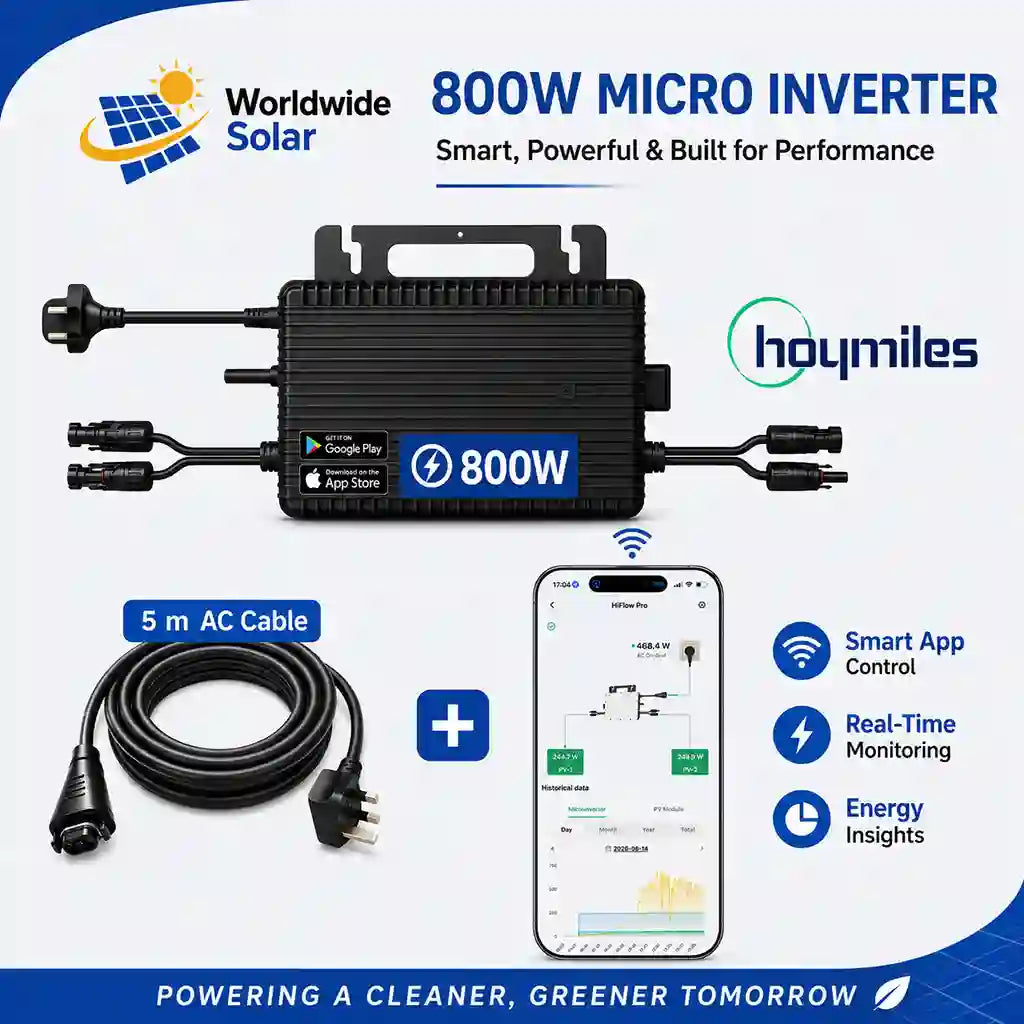
A microinverter app normally reports solar generation, not the amount exported. Export is generation minus electricity consumed locally, so the figures are not the same.
| Measurement | What It Shows | Why It Differs |
|---|---|---|
| Microinverter monitoring | Total solar electricity produced | Does not normally subtract household self-consumption. |
| Import reading | Electricity purchased from the grid | Falls when solar supplies part of the home's demand. |
| Export reading | Surplus electricity sent to the grid | Counts only generation not consumed within the property. |
9. Will a Small System Export Much Electricity?
Possibly, but it depends on the household. Compact solar systems are often well suited to covering daytime background demand from refrigerators, freezers, routers, ventilation, standby loads and home-office equipment. If that background demand is close to the system's output, relatively little electricity may remain for export.
A lightly occupied home may export more around midday, while a household with regular daytime consumption may use most generation directly.
10. Is Self-Consumption or Export More Valuable?
In many cases, using solar electricity directly is financially more valuable than exporting it because the retail price avoided for imported electricity may be higher than the export rate received. Current tariffs vary, however, so the actual comparison must use the household's own import and export prices.
This does not mean households should waste electricity to avoid export. Instead, genuinely useful consumption can be shifted into daylight hours where practical.
11. Questions to Ask Before Buying
- Is the microinverter fully type tested and appropriate for use in Great Britain?
- What DNO connection or notification procedure applies?
- Who will submit the required information, and what documents will be supplied?
- Can the electricity meter record half-hourly export?
- Does the intended SEG supplier accept this type of system and installation?
- Will an MCS certificate or equivalent evidence be required?
- What export rate is offered, and can it change?
- How much generation is likely to be used directly in the home?
- Is export limitation required for the proposed installation?
12. The Bottom Line
A properly connected Plug & Play solar system can export surplus electricity to the grid. Solar power is used within the home first, and any generation that exceeds immediate demand can flow through the meter into the local network.
However, four separate questions must be considered: can the equipment export, has the installation followed the correct DNO process, can the meter measure export, and will an electricity supplier pay for it? A “yes” to the first question does not automatically provide a “yes” to all four.
For many small systems, the greatest benefit may still come from reducing daytime electricity imports rather than earning substantial export income. SEG payments can add value where the system and documentation qualify, but they should be treated as one part of the financial calculation—not the sole reason for installing Plug & Play solar.
Explore Plug & Play Solar with Worldwide Solar
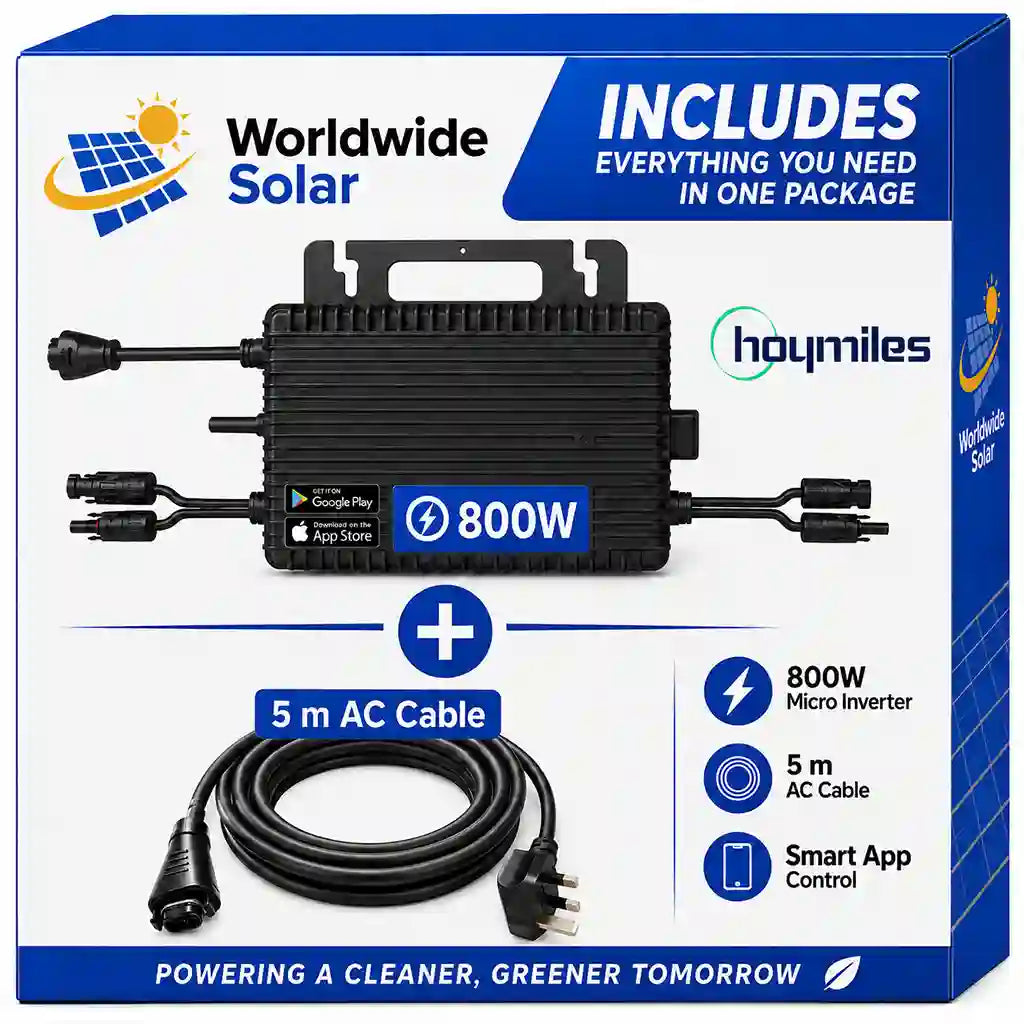
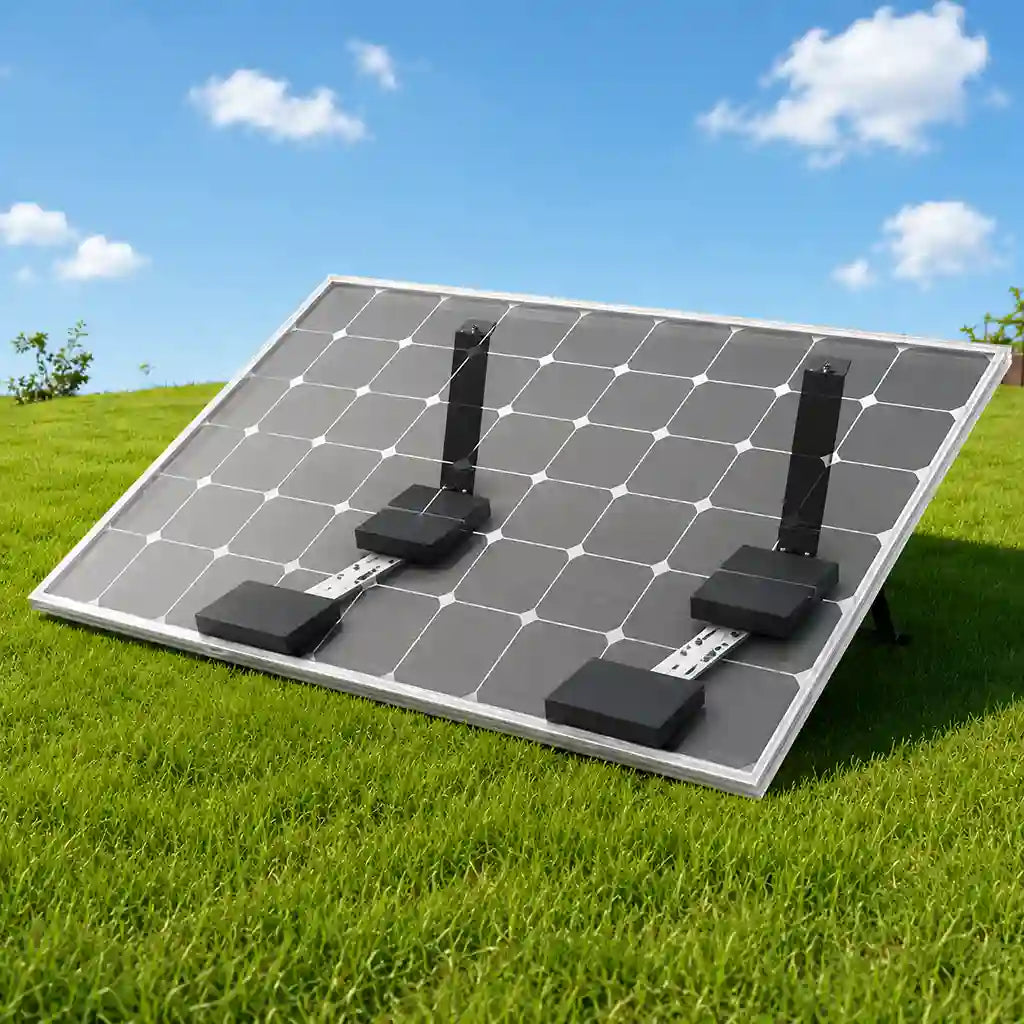
Worldwide Solar supplies practical Plug & Play solar products, including microinverters, compatible solar panels and mounting solutions for gardens, walls, fences and other suitable locations.
When choosing a system, consider not only how much electricity it can generate but also how it will connect, how the installation will be notified and whether your meter and chosen export tariff can record and reward surplus electricity.
Visit Worldwide Solar to explore flexible solar solutions designed for small-scale renewable electricity generation in UK homes.